

In 2003–2023, VNIIOkeangeology developed a method for short-term earthquake forecasting
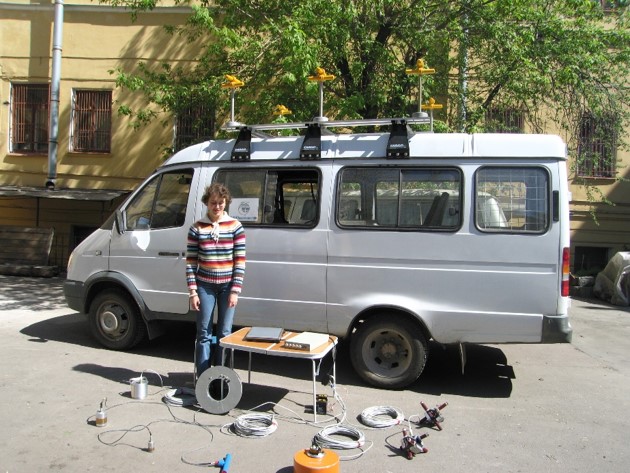
The technology was created by the laboratory of multi-level geophysical monitoring based on the results of studying dangerous geodynamic processes: tremors, activation of “living” faults, landslides, etc.
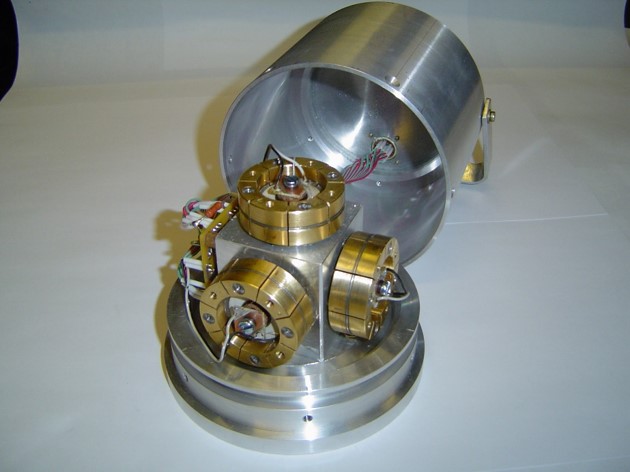
The technique is based on simultaneous monitoring of three indicators:
- seismoacoustic emission in the frequency range from 1 Hz to 1 kHz;
- acoustic emission in the range from 10 Hz to 12 kHz;
- electromagnetic emissions in two frequency ranges.
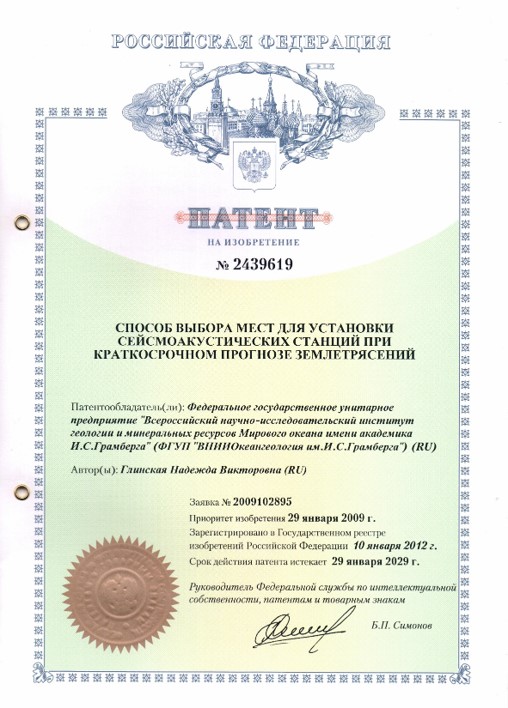
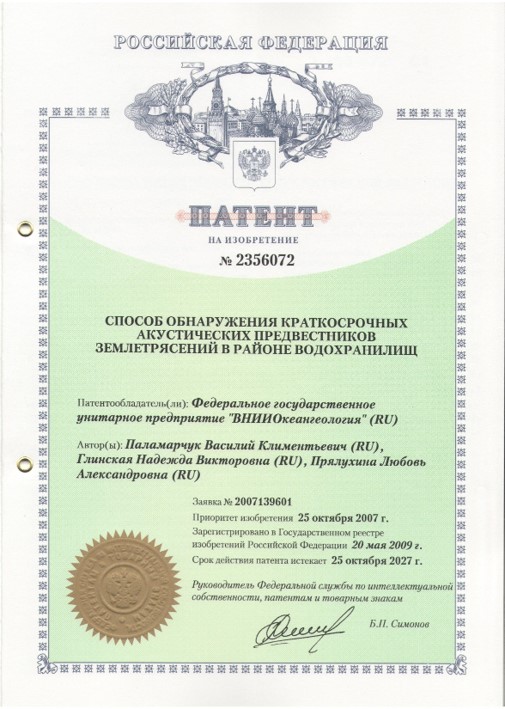
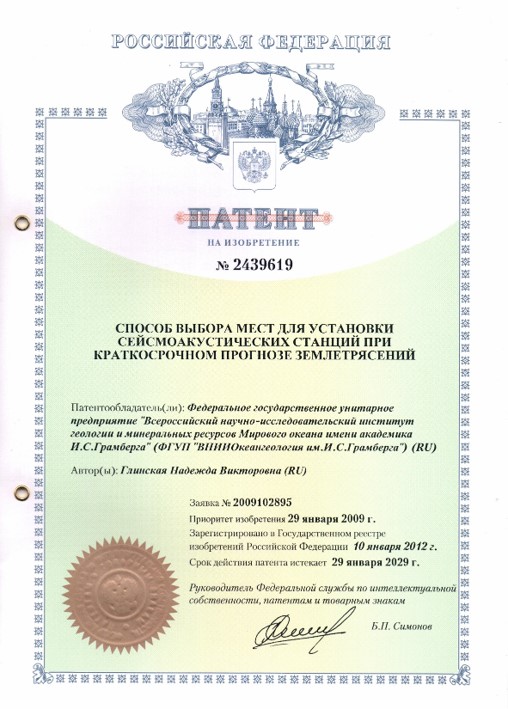
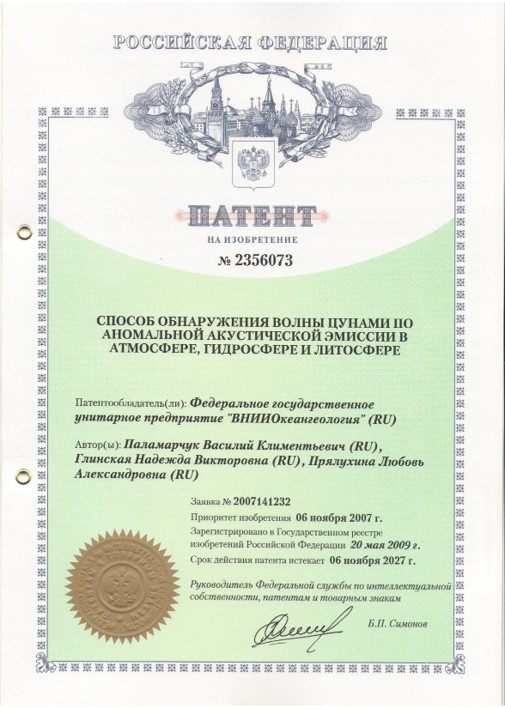
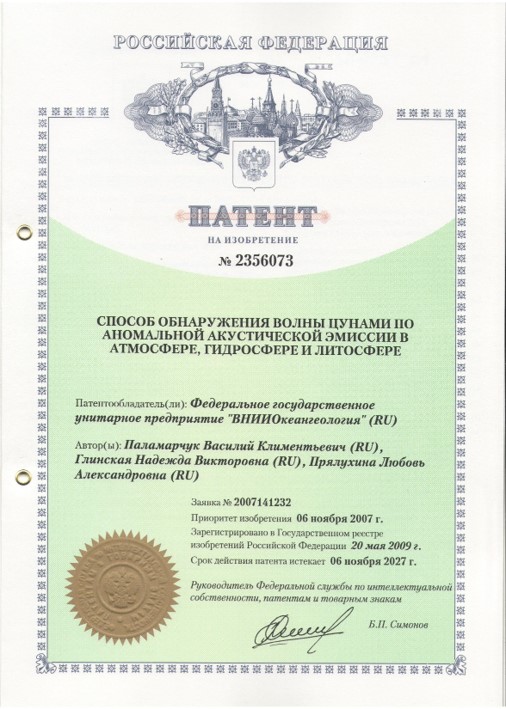
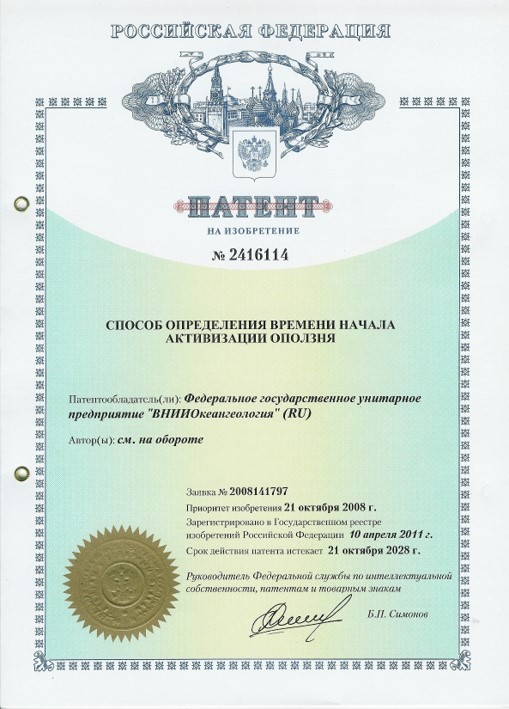
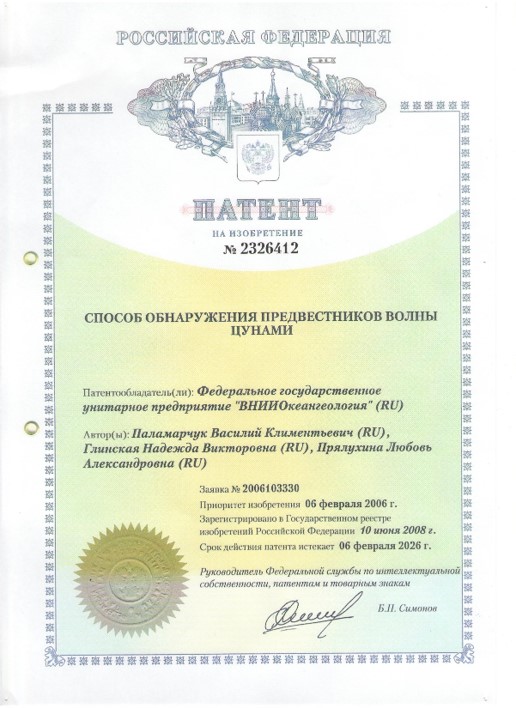
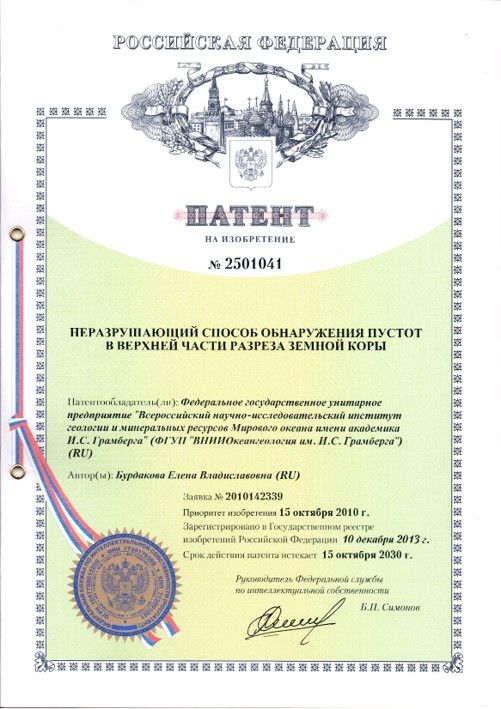
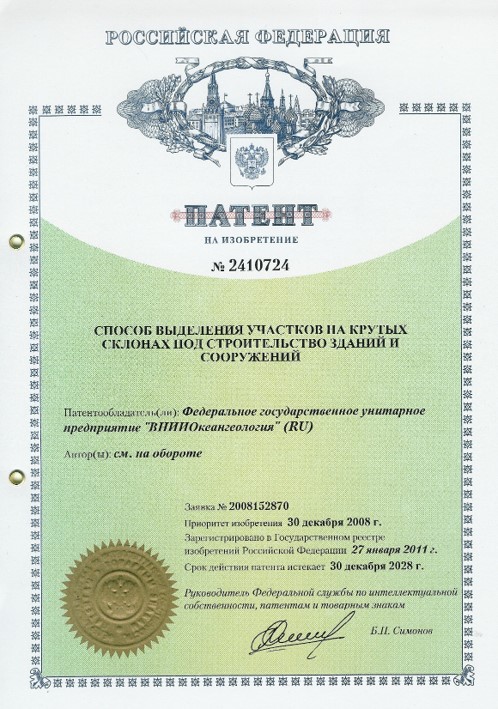
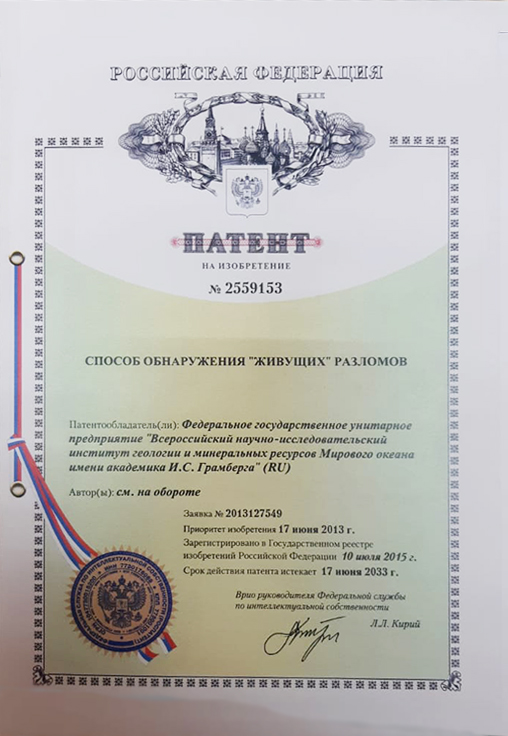
The technology is confirmed by a number of patents
Accuracy
In the world practice (Japan, USA, China, Chile, Indonesia, Russia), the accuracy of predicting earthquakes with a magnitude of 3.5 or higher is about 12%. The result of “VNIIOkeangeology” is 68%.
Timing
The systems in use around the world can only predict an earthquake right before it happens. This makes it impossible to prepare for a disaster and save lives. In particular, the Japan Meteorological Agency's system, based on 4,300 seismographs, gives a prediction from 1 to 20 minutes before the event. In 2011, during the strongest earthquake in Tohoku (Fukushima), the signal arrived just 1 minute before the event.
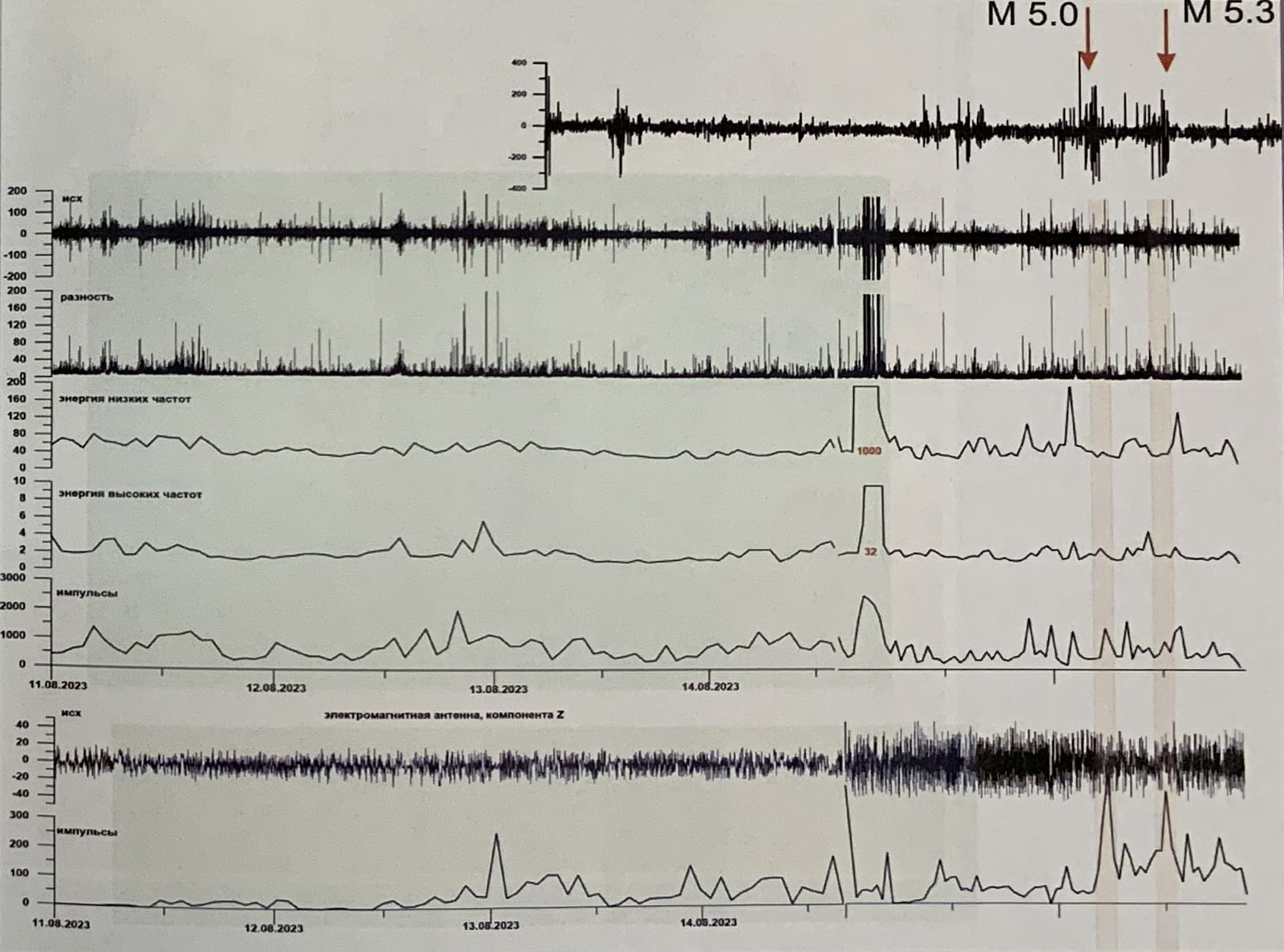
The VNIIOkeangeology methodology allows you to make much more rapid forecasts. Thus, during testing of the method in Kamchatka in 2023, it was possible to predict several earthquakes from 28 minutes to 6 days before the event.
Approbation of the methodology
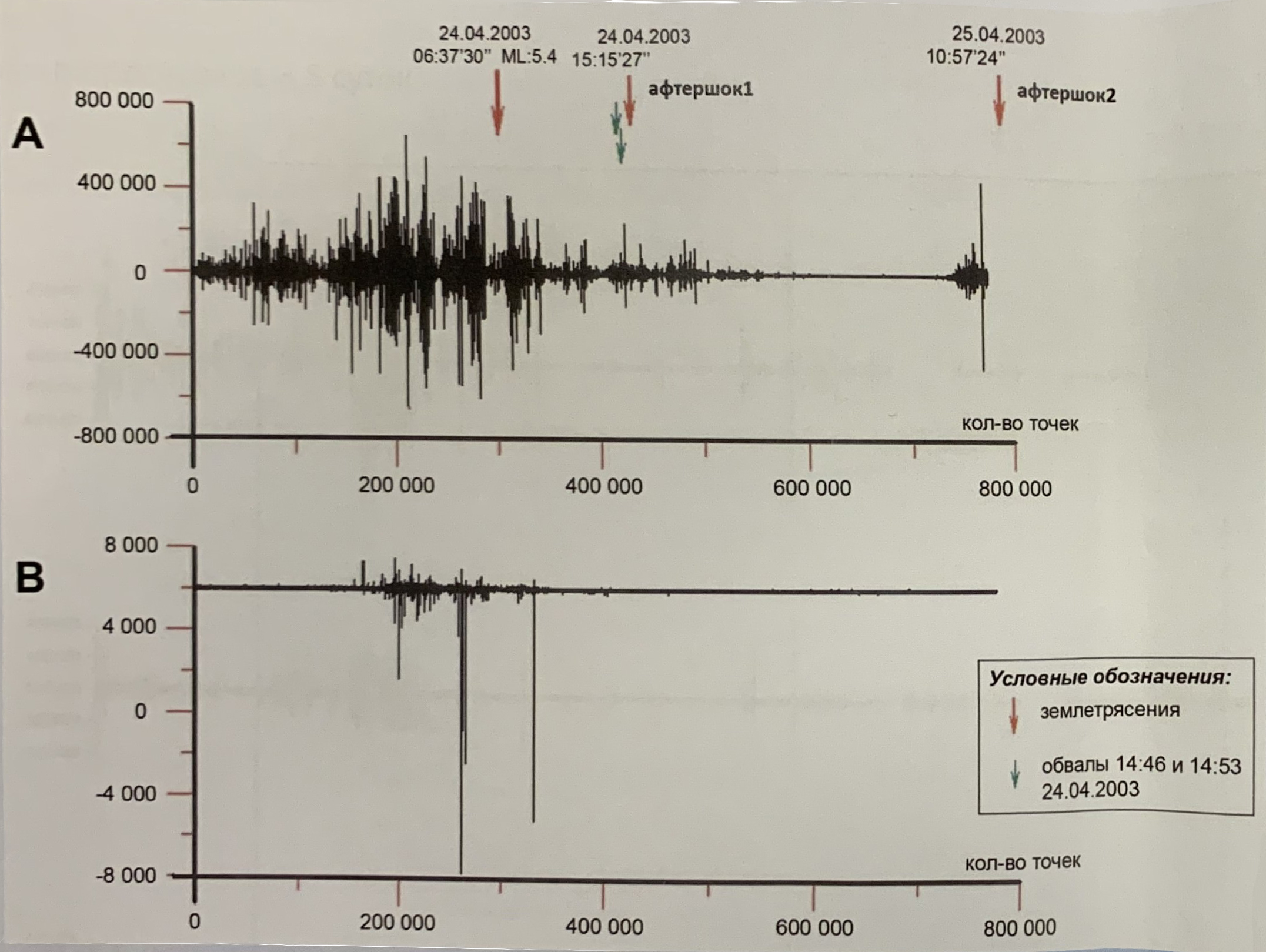
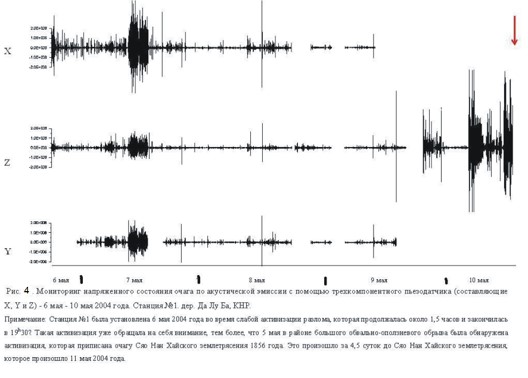
In 2003, the system was tested in the Xiao Nan Hai area of China. Invaluable results have been obtained in the practice of reading acoustic and electromagnetic emissions.
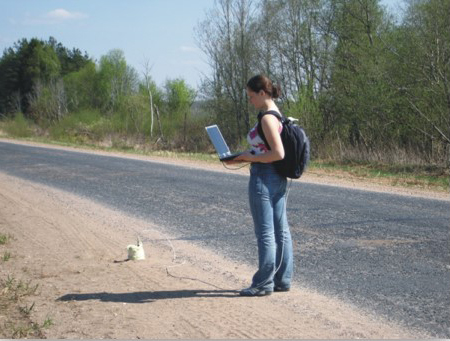
In 2023, an expedition was organized to experimentally test the hypothesis in Kamchatka. It was possible to make several forecasts of small earthquakes with magnitudes from 1.1 to 3.7.
Work stages
- Tectonic zoning
- Microseismic zoning
- Choosing a location for installing sensors
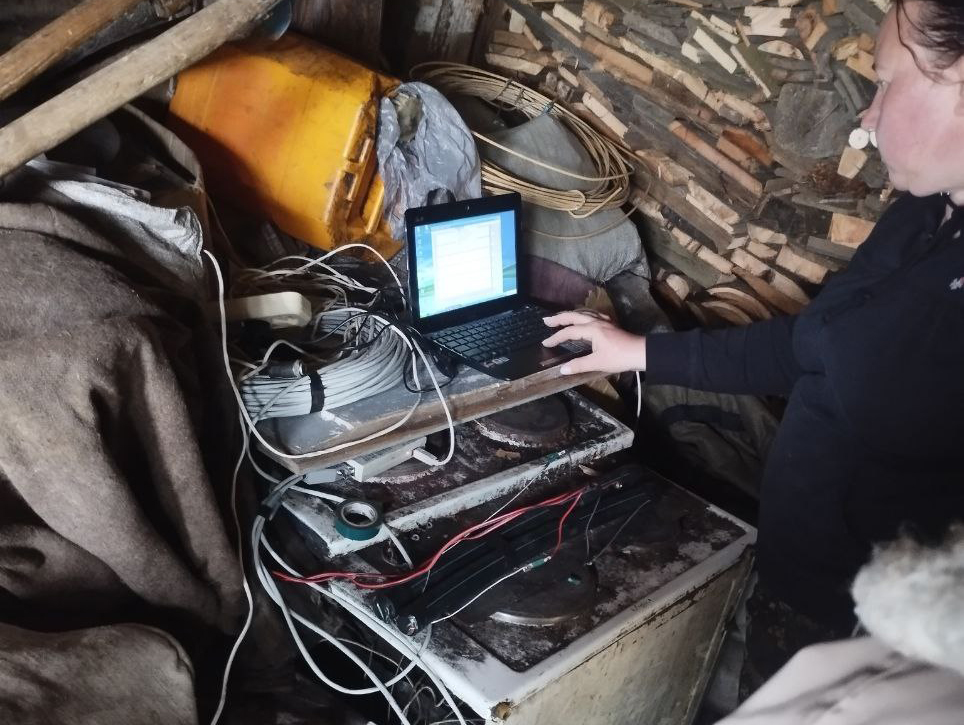
- Monitoring
- Data processing and analysis
Image gallery
Our partners